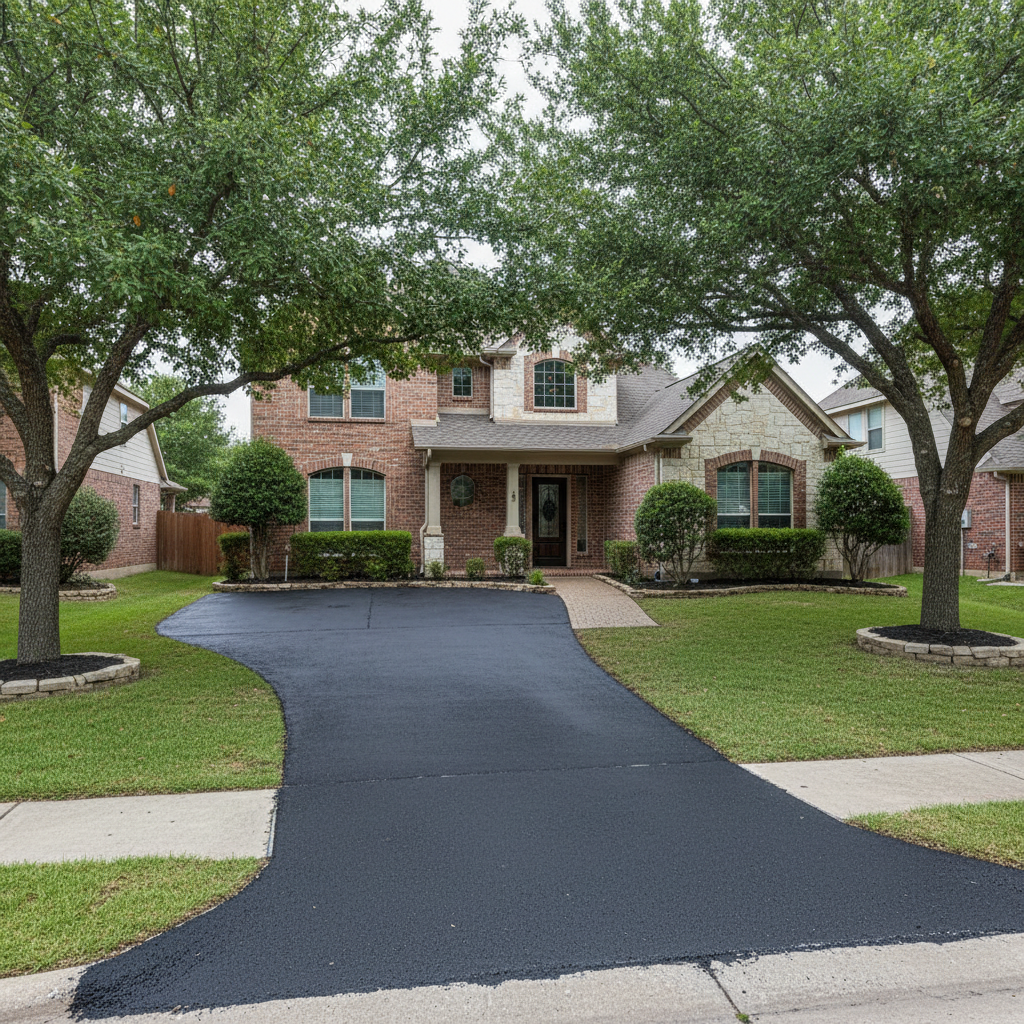
Ever wonder why some driveways around Fort Worth look like they're falling apart after just a few years, while others stay smooth and black for ages? A lot of it comes down to one thing: sealcoating. I've seen countless driveways and parking lots, from the historic homes in Ryan Place to the sprawling commercial properties out near Alliance, and I can tell you straight up, sealcoating isn't just about making things look pretty. It's about protecting your investment, plain and simple.
Why Fort Worth Asphalt Needs Extra Protection
Our weather here? It's a beast. We get scorching 100-degree summers that bake the oils right out of your asphalt, making it brittle and prone to cracking. Then we get those sudden, torrential downpours that wash away the binder and seep into any little crack, expanding when temperatures drop, even if it's just a few times a year. And let's not forget the ground itself. Our expansive clay soils are famous for moving around, putting extra stress on any paved surface. Without a good sealcoat, your asphalt is basically naked against all that.
Think about it like sunscreen for your pavement. You wouldn't go out in July without some SPF, right? Your asphalt needs that same kind of protection. The sun's UV rays are a huge culprit, breaking down the asphalt binder. Water, especially when it freezes and thaws, is another major enemy, turning small cracks into big potholes. Gasoline, oil, and other chemicals that drip from vehicles? They eat away at the surface too. A quality sealcoat creates a barrier against all these destructive forces.
What Sealcoating Actually Does
When we apply a sealcoat, we're putting down a protective layer that does a few key things:
- It seals the small cracks and voids in the asphalt, which stops water from getting in. This is huge for preventing those freeze-thaw cycles from tearing up your pavement.
- It restores your asphalt's rich, black color, making it look brand new again. This isn't just cosmetic; a darker surface absorbs more heat, which can actually help keep the asphalt more flexible in colder weather.
- It protects against oxidation from the sun's UV rays, slowing down the aging process and keeping the asphalt's binder intact.
- It resists oil and gas spills, making cleanup easier and preventing those chemicals from degrading the pavement.
- The surface becomes smoother and less porous, which makes it easier to clean and maintain.
I often hear folks say,