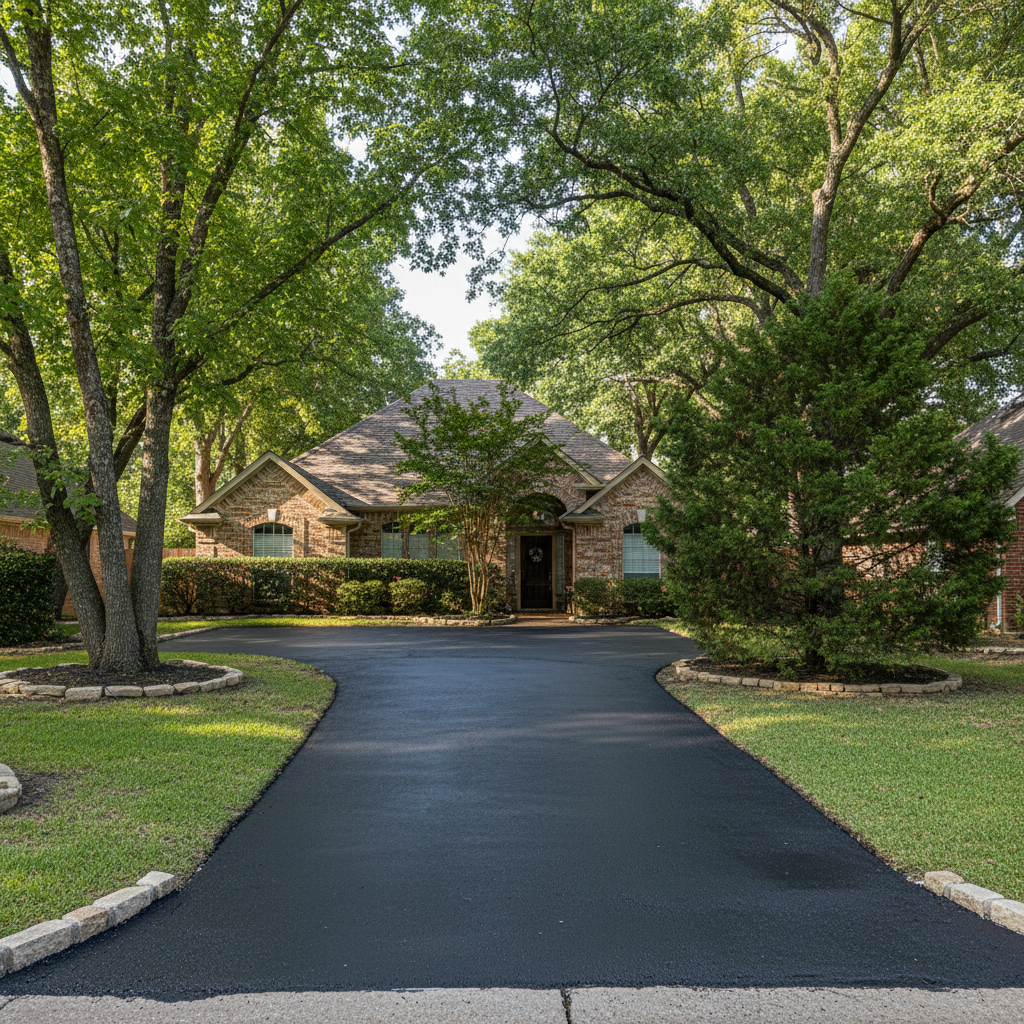
You're looking at your asphalt driveway, maybe it's starting to look a little faded or show some tiny cracks, and you're thinking, 'Time for a sealcoat.' Good call. Sealcoating is one of the best things you can do to protect your investment, extend its life, and keep it looking sharp. But here in Fort Worth, just like with most outdoor work, timing isn't just a suggestion; it's crucial for getting a job that actually lasts.
Why Timing Matters for Sealcoating
It all comes down to the weather, plain and simple. Sealcoat isn't paint; it's a protective layer that needs specific conditions to cure properly. If it's too cold, it won't dry right. Too hot, it can dry too fast and not bond well. Rain? Forget about it. Humidity? That plays a role too. We've got a unique climate here in North Texas, with those scorching summers and surprisingly chilly winters, plus the occasional unpredictable spring and fall storms. That means you can't just pick any random day.
The Ideal Sealcoating Season in Fort Worth
From what I've seen over the years working on driveways and parking lots all over Fort Worth, from the older homes in Arlington Heights to the newer developments out near Alliance, the sweet spot for sealcoating is usually spring and fall. Think late March through early June, and then again from mid-September through late October. Why those windows?
Spring (Late March - Early June): The ground temperatures are warming up, but we haven't hit those brutal 100-degree days yet. The air is warm enough for the sealcoat to cure effectively without drying out too quickly. You still need to watch out for those sudden spring showers, though. A good forecast is non-negotiable.
Fall (Mid-September - Late October): After the summer heat breaks, the temperatures become much more agreeable. We get those clear, sunny days with moderate temperatures that are perfect for sealcoating. The humidity usually drops a bit too, which helps with curing. This is often my favorite time to schedule these kinds of jobs.
What you're really looking for are consistent daytime temperatures between 60 and 85 degrees Fahrenheit, and nighttime temperatures that don't dip below 50 degrees. And crucially, no rain in the forecast for at least 24-48 hours after application. Any reputable contractor, like us at Fort Worth Paving Solutions, will be checking that forecast religiously before we even think about starting your job.
When to Avoid Sealcoating
Just as important as knowing when to do it is knowing when not to. Trying to sealcoat outside of those ideal windows is just asking for trouble, and frankly, a waste of your money.
Deep Winter (November - February): It's just too cold. The sealcoat won't cure properly, it'll stay tacky, and it won't bond to your asphalt. You'll end up with a mess that flakes off quickly.
Peak Summer (Late June - August): Those 95+ degree days with high humidity? Not ideal. The sealcoat can dry too fast on the surface, trapping moisture underneath, leading to cracking or poor adhesion. Plus, it's just miserable for the crew doing the work.
Rainy Days: This one's a no-brainer. Sealcoat needs to dry. Rain washes it away or prevents it from curing.
Protecting Your Investment Year-Round
Once your sealcoat is down and cured, you've done a great job protecting your asphalt. But your work isn't entirely done. Here's how to keep it looking good:
Keep it Clean: Sweep off dirt, leaves, and debris regularly. Don't let oil or gas spills sit; clean them up immediately with an appropriate cleaner. These can break down the sealcoat.
Watch for Weeds: Weeds pushing through cracks can cause a lot of damage. Pull them out as soon as you see them.
Avoid Heavy Loads: Try not to park heavy vehicles or equipment on your driveway for extended periods, especially in the heat. This can cause indentations or cracking.
Re-seal on Schedule: Most residential driveways benefit from re-sealcoating every 2-3 years. Don't wait until it's completely worn off. Regular maintenance is key to long-term protection.
By understanding the best times to sealcoat and taking a few simple steps year-round, you'll get the most out of your asphalt driveway. It's all about working with our Fort Worth climate, not against it.