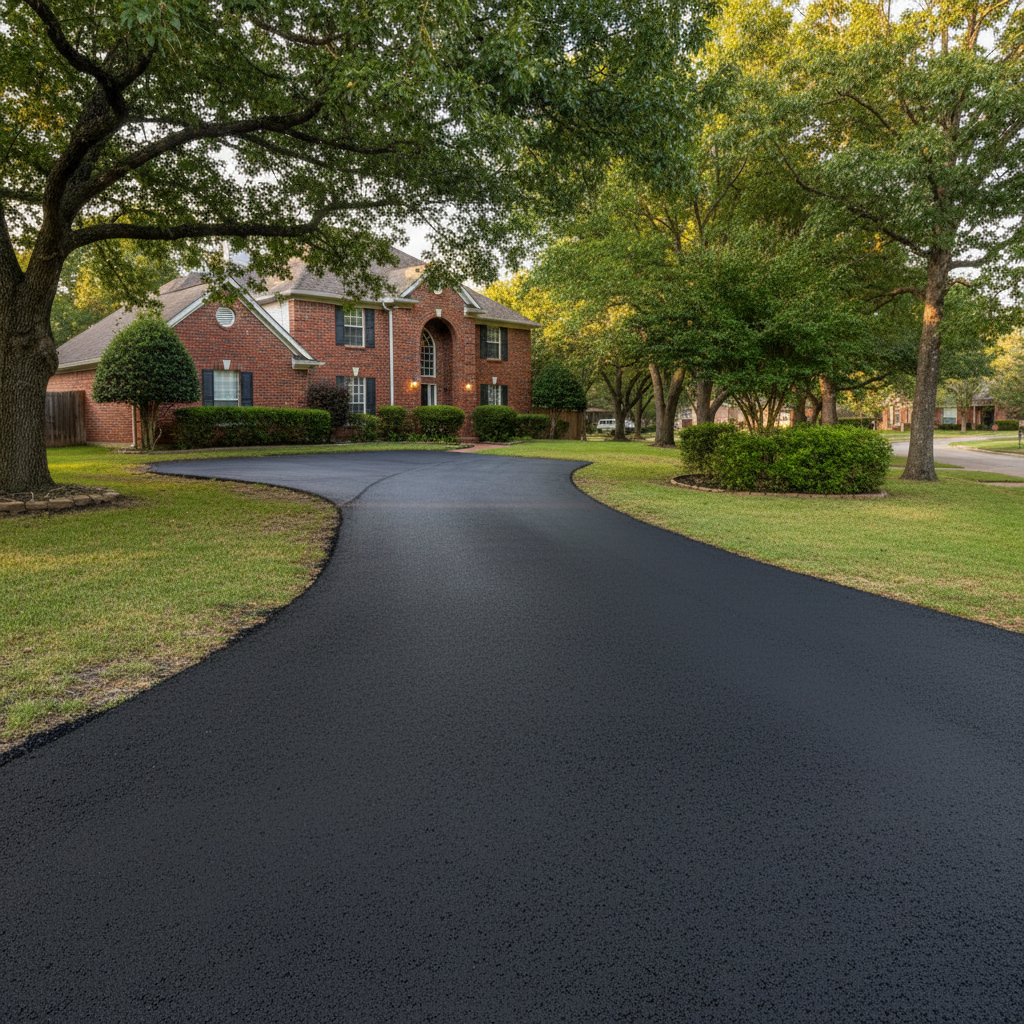
Running a business in Fort Worth? You've got enough on your plate. The last thing anyone needs is a parking lot or access road falling apart, causing headaches for customers and employees alike. When we talk about commercial asphalt, our local climate isn't just a factor; it's practically a partner in the whole process. You really need to understand it if you want to keep your pavement in good shape and avoid those super costly repairs later on.
Timing Your Commercial Asphalt Projects Just Right
Scheduling commercial asphalt work isn't like painting an office wall. You can't just pick any old day. Temperature and moisture are huge factors. For most paving and big repair jobs, you're looking for consistent temperatures above 50 degrees Fahrenheit. This gives the asphalt mix enough time to cure properly and bond the way it should. Below that temperature, it gets stiff, becomes a pain to work with, and won't compact as well — which ultimately means it won't last.
So, what does that actually mean for us here in Fort Worth? Spring and fall are usually your best bets. March through May, and then again September through November, offer that sweet spot: warm days and cooler nights without the scorching heat or sudden freezes. You'll get better results, and the work will definitely hold up longer.
Summer can work, but you've got to be careful. Those 100-degree days we get? They can make the asphalt too soft, leading to problems with compaction and even tracking. Plus, working crews in that kind of heat is just plain tough, and it can affect the quality of the finish. Winter, on the other hand, is usually a no-go for large-scale paving, unless it's an emergency patch. The ground's too cold, and the asphalt just won't behave.
Weather Conditions That Really Make a Difference
Beyond just temperature, there are a few other things we always keep an eye on when we're doing commercial asphalt work. You should too, so you know what to expect and why we might suggest rescheduling.
- Rain: This is a big one. You simply cannot pave on a wet surface. The asphalt won't bond to the base, and you'll end up with weak, failing pavement. Even a light drizzle can halt everything. We need dry conditions, both for the base material and the asphalt itself.
- Humidity: While not as critical as rain, very high humidity can sometimes slow down how certain sealants and coatings cure. For fresh asphalt, it's less of a concern than direct moisture.
- Wind: Strong winds can cool down asphalt too quickly, making it harder to work with and compact properly. It can also blow debris onto a fresh surface, which is a real nuisance.
- Ground Conditions: This is especially true here in Fort Worth with our expansive clay soils, particularly in areas like the TCU district or out towards Eagle Mountain Lake. If the ground underneath is too wet or unstable from recent rains, we just can't lay asphalt on it. We'd just be paving over a problem that's going to resurface quickly, wouldn't we? We often need to let the ground dry out and stabilize before we even think about bringing in the hot mix.
Protecting Your Commercial Pavement All Year Round
Getting your asphalt laid right is only the first step. To make that investment last, you've got to protect it. Here's how we recommend you keep your commercial parking lots and access roads in top shape, no matter what our Fort Worth weather throws at them.
- Regular Inspections: Walk your lot often. Look for cracks, potholes, or areas where water is pooling. Catching small issues early is always cheaper than dealing with big ones. After a heavy rain or a freeze-thaw cycle, take a closer look.
- Sealcoating: Think of this as your pavement's sunscreen and raincoat. A good sealcoat every 2-3 years protects the asphalt from UV rays, water getting in, and oil spills. It's crucial for extending your pavement's life, especially with our intense Texas sun. Fort Worth Paving Solutions can help you set up a schedule.
- Crack Sealing: Those little hairline cracks? They're highways for water. Water gets in, freezes, expands, and turns a small crack into a big pothole. Seal them up as soon as you see them.
- Drainage Management: Make sure your storm drains are clear and working right. Water is asphalt's worst enemy. If water is sitting on your pavement for long periods, it's going to break down the surface and the base underneath.
- Prompt Repairs: Don't let potholes linger. They're not just an eyesore; they're a liability. Fill them quickly to prevent further damage and keep your property safe for visitors.
- Sweeping and Cleaning: Keep your lot free of debris, dirt, and gravel. These can accelerate wear and tear on the asphalt surface.
Look, your commercial property's appearance matters. A well-maintained parking lot tells your customers you care about your business. Understanding how our Fort Worth climate impacts your asphalt and taking proactive steps to protect it will save you money and headaches in the long run. If you've got questions or need an assessment, give us a call at Fort Worth Paving Solutions. We're always happy to talk shop.