What exactly is asphalt milling?
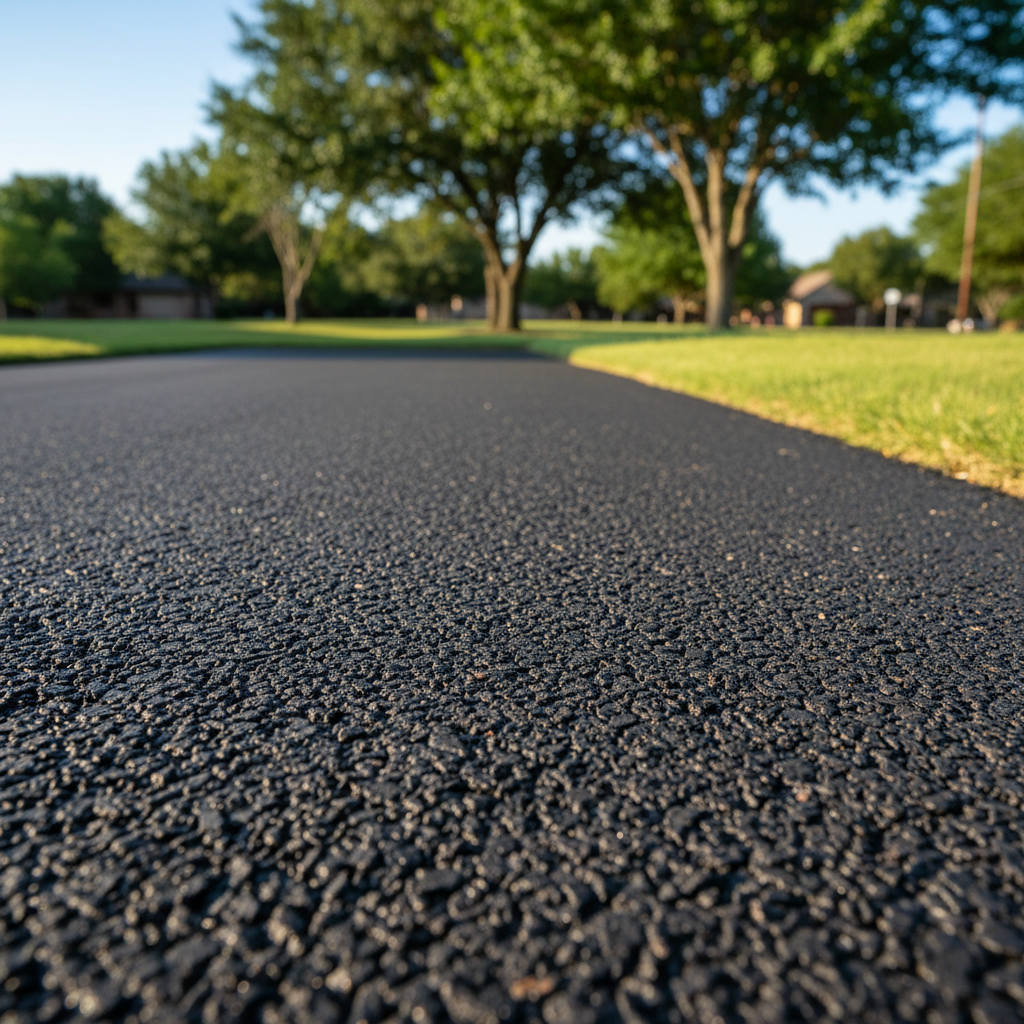
Alright, let's cut right to it. Asphalt milling, sometimes called 'cold planing' or 'profiling,' is basically grinding off the top layer of an existing asphalt surface. We use a specialized machine with a big rotating drum that has a bunch of carbide teeth on it. It chews up that old asphalt, leaving behind a rough, textured surface. Think of it like taking a giant cheese grater to your old driveway, but in a controlled, precise way. We can set the depth, so we're not just tearing everything up; we're removing exactly what we need to.
Why would I choose milling over a full tear-out and replacement?
This is where milling really shines for homeowners. A full tear-out means digging up everything, hauling it all away, and then bringing in fresh base material and new asphalt. That's a huge job, and it costs a lot more money and takes more time. Milling, on the other hand, is generally quicker, less disruptive, and significantly more affordable. You're reusing a lot of the existing structure, which saves on material costs and disposal fees. Plus, it's often a more environmentally friendly option because we can recycle the milled material. For a lot of folks in older Fort Worth neighborhoods, where you might have settled foundations or mature landscaping you don't want disturbed, milling is a smart way to go.
What happens to the old asphalt that gets milled up?
That's a great question, and it's part of what makes milling such a good option. The material we grind off – those little pieces of old asphalt – is called Reclaimed Asphalt Pavement, or RAP. We don't just throw it in a landfill. Most of the time, we haul it off to a processing plant where it gets recycled. It can be used as aggregate in new asphalt mixes, or sometimes it's used as a base material for other construction projects. So, you're not just getting a new surface; you're also contributing to a more sustainable construction process. It's a win-win.
Is milled asphalt as durable as brand-new asphalt?
When done right, absolutely. Here's the deal: after we mill the surface, we're left with a stable, rough base. We then typically apply a tack coat, which is a sticky asphalt emulsion, to help the new layer bond. Then, we pave a fresh layer of hot mix asphalt on top. Because you're building on an existing, compacted base, and you're adding a new, strong surface, the result is often just as durable, if not more so, than a full replacement. The key is making sure the underlying base is still solid. If you've got major structural issues, like deep potholes or widespread alligator cracking that goes all the way through, milling might not be enough on its own. But for typical wear and tear, it's a very robust solution.
How long does a milled and overlaid driveway last?
You're looking at a good 10 to 15 years, sometimes even longer, with proper maintenance. Just like any asphalt surface, its lifespan depends on a few things: the quality of the original milling and overlay, how much traffic it sees, and how well you maintain it. That means things like keeping it clean, addressing any small cracks early with crack filling, and maybe a sealcoat every few years. The Fort Worth sun and our expansive clay soils can be tough on pavement, so staying on top of maintenance is crucial for maximizing its life. We've seen plenty of Fort Worth Paving Solutions jobs hold up beautifully for well over a decade.
Can I just leave the milled surface as is, without a new asphalt layer?
You can, but it's not usually what I recommend for a residential driveway or parking lot. A milled surface, by itself, is basically a gravel-like material. It's rough, it's permeable, and it's not designed for long-term wear and tear as a finished surface. It'll be dusty, loose, and it won't hold up to vehicle traffic or our Texas weather nearly as well as a proper asphalt overlay. It's sometimes used for temporary roads or as a base layer that gets compacted and then chip-sealed, but for a nice, smooth, durable driveway, you really want that fresh asphalt layer on top. The milling process prepares the surface; the overlay finishes the job.
What's the typical process for asphalt milling on a residential property?
First, we'd come out and assess your existing driveway or parking lot. We're looking for the type of damage, the thickness of the existing asphalt, and the condition of the base. Once we've got a plan, we'll mark out the areas to be milled. On the day of the job, our milling machine comes in and grinds down the old asphalt to the specified depth. We'll clean up the loose RAP material and haul it away. After that, we'll apply a tack coat to ensure a good bond. Finally, we'll pave a new layer of hot mix asphalt, roll it smooth, and compact it. We'll make sure the drainage is right, especially important with our sudden Fort Worth downpours. It's a pretty efficient process, and you'll typically have a usable surface within a day or two, though it needs a little time to cure fully.